In the world of long-term care and rehabilitation, we often treat skin integrity as a checklist item. We perform the skin checks, we document the “red spots,” and we move on to the next task. But as any experienced clinician knows, a non-blanchable red area on a patient’s coccyx is rarely just a superficial issue. It is the tip of a clinical iceberg.
By the time we see the “scary black edges” of a Stage 4 pressure injury, we aren’t just looking at a wound; we are looking at a systemic failure of pressure distribution. To prevent these “rabbit holes,” we have to move past the “it depends” mentality and into a proactive, evidence-based approach to seating and positioning.
The Clinician’s Roadmap: The Seating Decision Tree
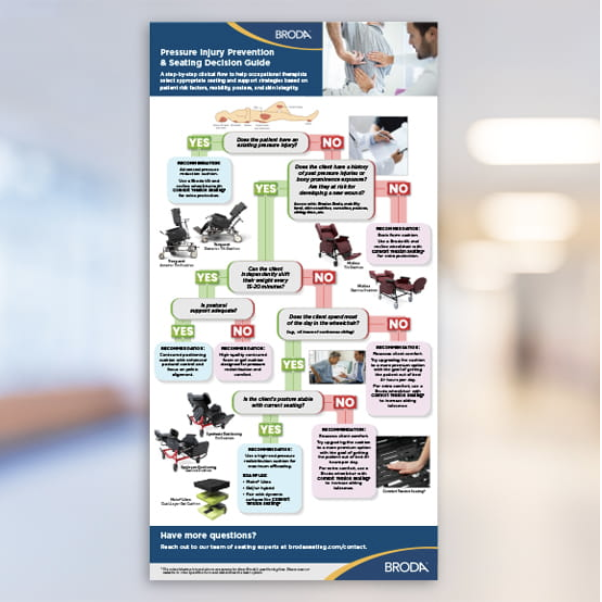
Before we dive into the “how” and “why,” I want to give you the “what.” Choosing the right equipment shouldn’t feel like a guessing game of trial and error while a patient’s skin is at risk. Use the tool below to navigate your next seating evaluation with confidence.
[Download the Pressure-Injury Prevention & Seating Decision Tree PDF Here from Broda Seating]
1. The Anatomy of a Pressure Injury: Why the “Iceberg” Matters
To effectively prevent pressure injuries, we must understand the mechanical forces at play: Pressure and Shear.
Pressure vs. Perfusion
A pressure injury is essentially an oxygen deprivation event. When the external force on the skin exceeds the internal capillary closing pressure (traditionally cited around 32 mmHg), blood flow is restricted.
Think of it as a clinical traffic jam. “Good blood” (oxygenated, nutrient-rich) can’t get into the tissue, and “bad stuff” (metabolic waste products) can’t get out. This is why a Stage 1 (non-blanchable erythema) is so critical—it is the warning light that the underlying tissue is already struggling for air.
The Hidden Danger: Shearing
While pressure is a vertical force, shear is a horizontal one. It occurs when the skin stays stuck to a surface while the underlying bone and deep tissue slide in the opposite direction.
This literally “shaves” the deep tissue layers, stretching and tearing microscopic blood vessels. This is most common when the head of the bed is elevated above 30°, or when a patient is sitting in a standard “sling” wheelchair seat that encourages a posterior pelvic tilt.
The “Perfect Storm”: Moisture and Microclimate
Pressure and shear don’t work in a vacuum. The “microclimate”—the temperature and moisture levels at the skin-surface interface—plays a massive role in tissue resilience. When a patient is incontinent or simply sweating in a non-breathable vinyl chair, the skin becomes macerated. Macerated skin has a significantly lower threshold for breakdown. This is why selecting a breathable cushion cover is just as important as the cushion itself.
The Nutritional Foundation
We cannot talk about skin integrity without talking about protein. Collagen is the building block of skin, and without adequate protein intake and hydration, even the most expensive air cushion in the world won’t prevent a wound. As clinicians, we must work closely with the dietary team to ensure that our high-risk seating interventions are supported by a nutritional plan that allows for cellular repair.
2. Ditching the “Sling” and the “Donut”
In the history of wound care, two common “solutions” can potentially cause harm for the wrong patient: the standard sling seat and the donut cushion.
The Sling Seat Trap
Most standard wheelchairs come with a vinyl or nylon “sling” seat. Over time, these hammocks stretch. When a patient sits in a hammocked seat, their femurs are forced into internal rotation and their pelvis is forced into a posterior tilt. This puts the entirety of their weight directly on the sacrum and coccyx—the most vulnerable points for breakdown.
The Donut Myth
While it seems logical to use a ring-shaped “donut” cushion to unweight a sore, it is clinically counterproductive. A donut cushion creates a ring of high pressure around the wound, which further occludes blood flow to the center. Furthermore, gravity causes fluid to pool in the “hole” of the donut, increasing edema.
Rule of thumb: If it has a hole in the middle, it doesn’t belong under a patient with a pressure risk.
3. The Toolkit: Selecting the Right Seating System
Seating is never “one size fits all.” As OTs, we have to be “tinkerers,” adapting the environment to the patient’s unique orthopedic needs.
Air Displacement: The Roho Approach
Air-filled cushions, like the Roho, are the gold standard for immersion. They allow the patient to sink into the cushion, distributing pressure across a larger surface area. However, they come with a “maintenance tax.” If an air cushion is under-inflated, the patient “bottoms out.” If it’s over-inflated, it becomes a literal rock.
Immersion and Envelopment: Gel and Foam
Gel-foam hybrids offer a “set it and forget it” alternative. They provide decent envelopment—the ability of the cushion to mold to the patient’s shape—without the maintenance of air. For a patient with moderate risk who still has some mobility, these are often the most practical choice.
Mechanical Advantage: Tilt and Recline
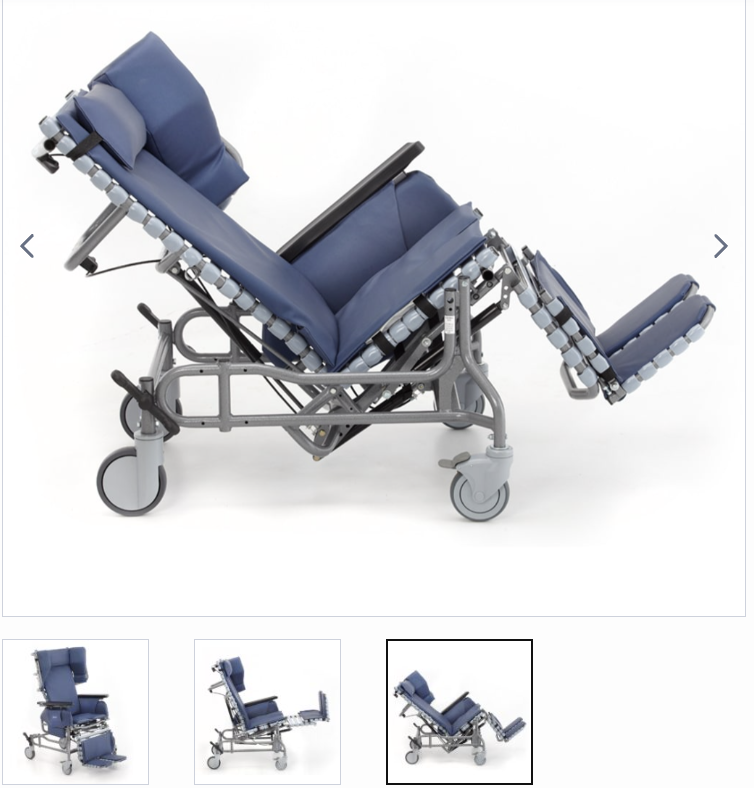
For high-acuity patients, manual repositioning every two hours is often insufficient. This is where wheelchairs such as the Tilt-in-Space becomes a life-saver. By tilting the entire chair back while maintaining the hip angle, we shift the weight from the ischial tuberosities to the larger surface area of the back.
4. The “Bed-Bound” Myth
One of the most significant barriers to patient quality of life is the “bed-bound” label. Often, patients are kept in bed because their seating is so poor that it causes pain or skin breakdown.
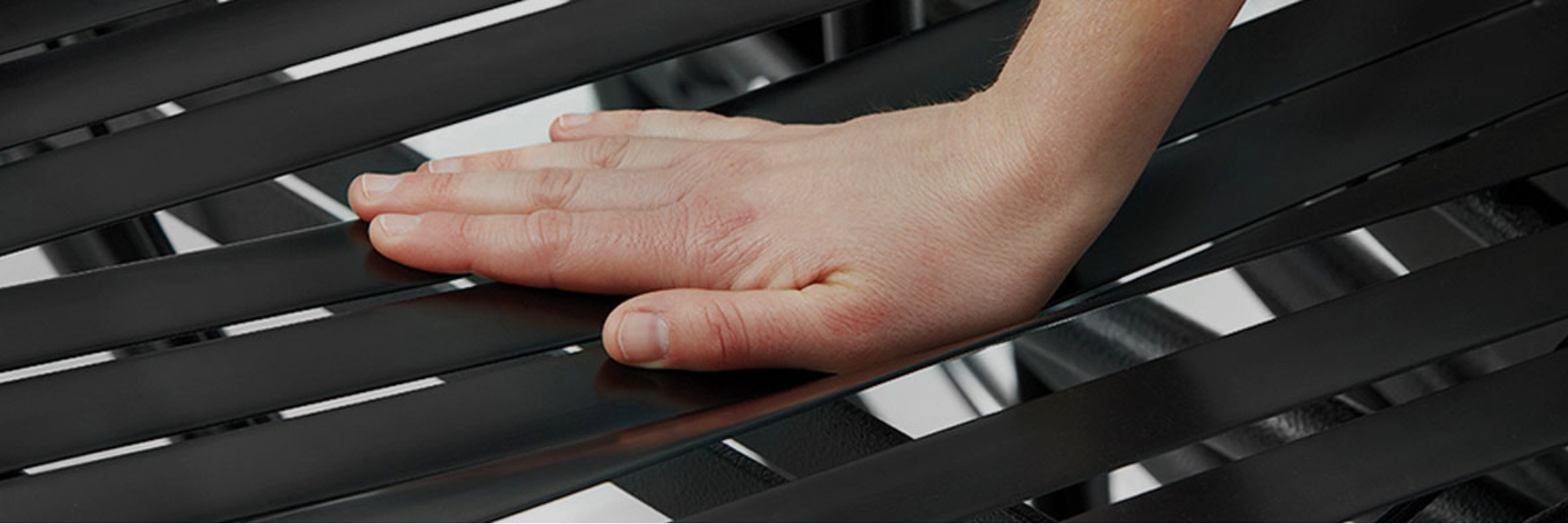
By using advanced seating like Broda’s Comfort Tension Seating® which uses adjustable straps to conform to a patient’s unique kyphosis or scoliosis—we can get even the most complex patients out of bed safely. High-quality seating isn’t just about skin; it’s about the ability to stay upright, which facilitates better breathing, safer swallowing, and social engagement.
5. Justifying the Equipment: Being the “Squeaky Wheel”
In a skilled nursing or long-term care environment, the biggest hurdle to prevention isn’t clinical knowledge—it’s the budget. To get the business office to approve a specialty cushion or a tilt-in-space chair, you have to speak their language.
You aren’t just asking for a “comfy chair”; you are asking for a Risk Mitigation Tool. A single Stage 4 pressure injury can cost a facility upwards of $70,000 to $120,000. Spending $3k today to save $100k tomorrow is just good business.
Clinical Advocacy: Speaking the Language of Administration
When we advocate for equipment, we often lead with “the patient needs this for comfort.” While true, this rarely moves the needle with a business office managing tight margins. Instead, try using the language of Quality Measures. Pressure injuries are “Never Events” in many healthcare settings. They trigger state surveys, lower star ratings, and can lead to massive litigation.
When you document your request, link it directly to the facility’s risk management goals:
-
“Implementation of a Tilt-in-Space system is required to mitigate the risk of a high-cost Stage 3 or 4 event.”
-
“Standard equipment has reached its clinical limit; specialty intervention is necessary to maintain regulatory compliance for skin integrity.”
Listen to the Full Discussion
For a deeper dive into these advocacy tactics and the “tinkering” required for complex seating, listen to our latest podcast episode below.
In this episode: The “Squeaky Wheel” strategy, clinical justifications for the business office, and real-world seating success stories.
6. Actionable Clinical Tips
-
The 30° Rule: Keep the head of the bed below 30 degrees to minimize shear forces on the sacrum.
-
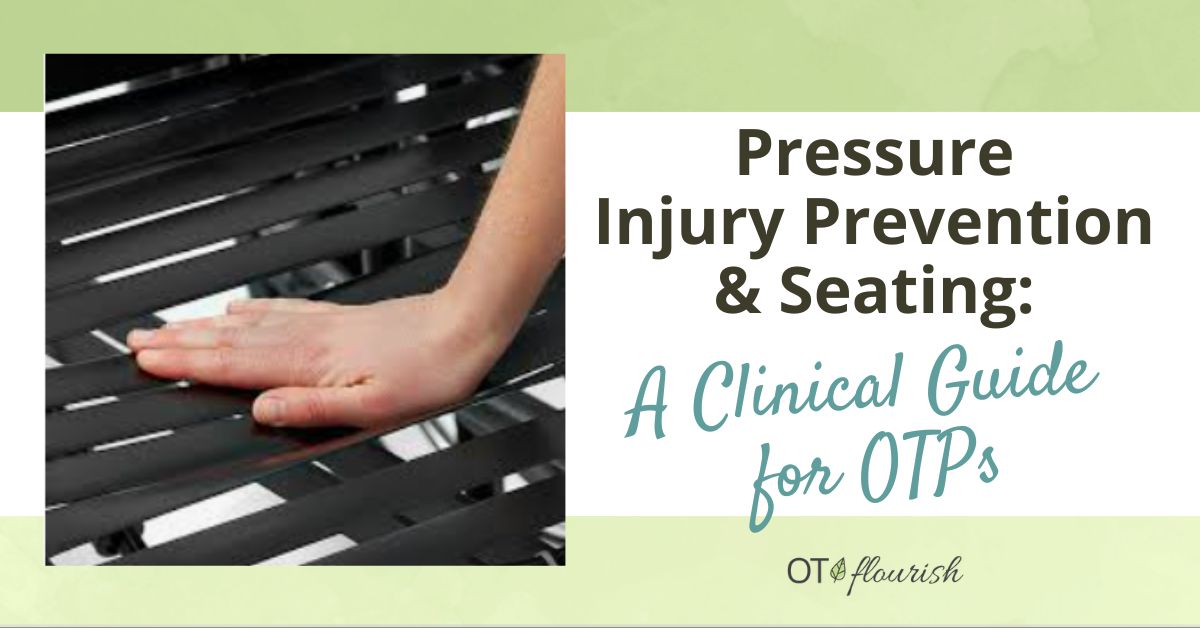
Perform a “Hand Check”: Place your hand under the cushion while the patient is seated. If you can feel their bony prominences, the cushion has failed.
-
Feet on the Floor (or Footrest): If a patient’s feet aren’t supported, they will slide forward to find the floor, leading to sacral sitting and shear.
-
Document the “Why”: Don’t just say “patient needs a new cushion.” Say “Patient is at high risk for Stage 3-4 breakdown due to non-blanchable erythema and inability to perform independent weight shifts.”